
Menopause is a natural life transition caused by hormonal changes that can affect energy, mood, sleep, skin, and hair health. Understanding what to expect and the options available can help make this stage of life more manageable and support overall well-being.
Menopause Symptoms, Causes, Diagnosis, and Treatment Options


Learn About Menopause with Davis Dermatology
At Davis Dermatology our approach to menopause care is grounded in medical expertise and a whole-body understanding of hormonal change. We recognize that menopause affects more than reproductive health, often influencing sleep, mood, skin, hair, and overall vitality. As a physician-led practice, we help patients understand this transition and explore evidence-based options that support comfort, balance, and long-term wellness.

Menopause is a natural stage of life that marks the end of menstrual cycles and fertility. It typically occurs in midlife as the ovaries gradually reduce hormone production, especially estrogen and progesterone. Rather than a single event, menopause is part of a transition that includes perimenopause, the lead-up phase, and postmenopause, the years after periods have stopped. These hormonal shifts affect multiple body systems, including metabolism, mood, sleep, and hair health, and are best understood in the context of whole-body wellness.

Why Women Trust Davis Dermatology
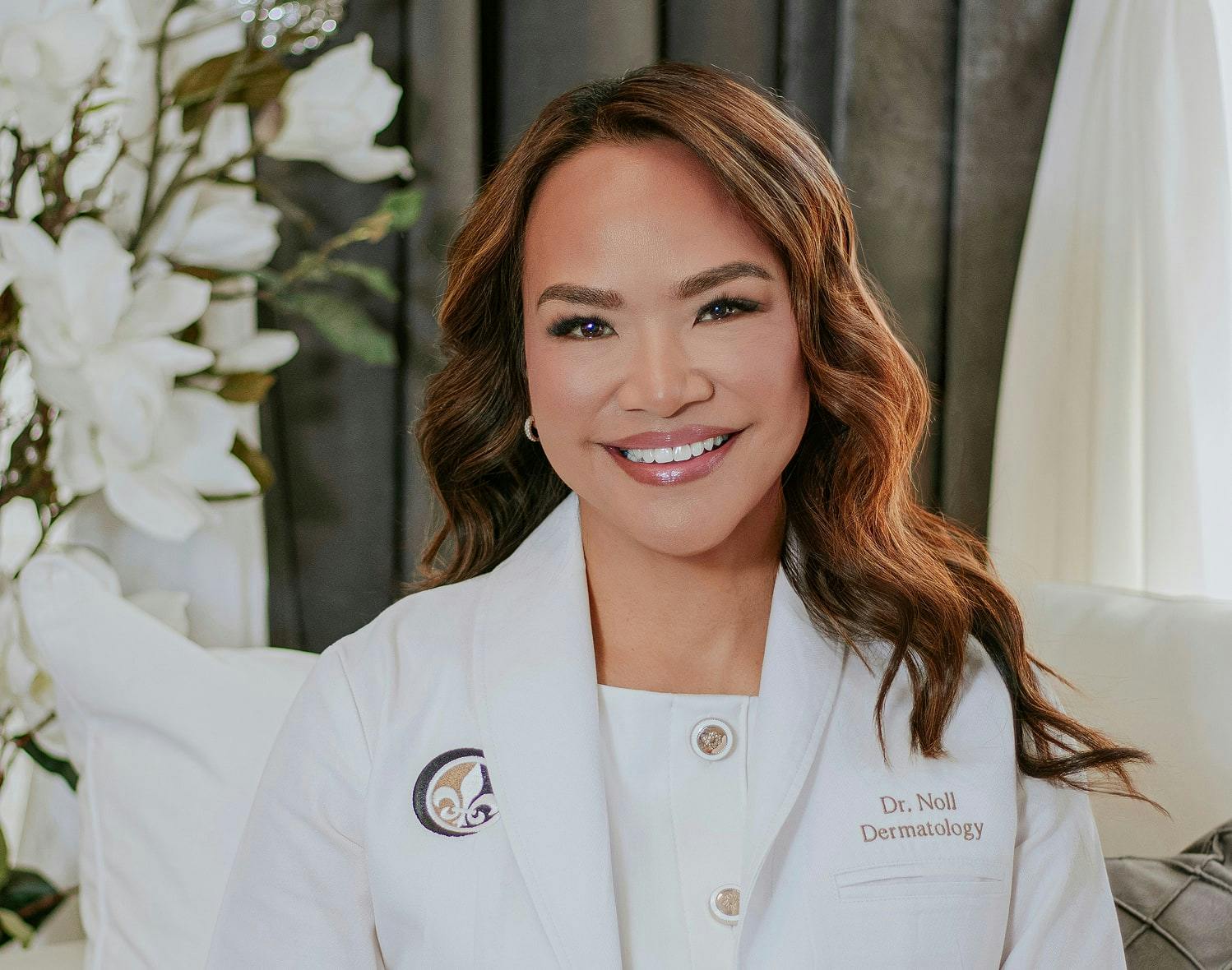
At Davis Dermatology in Sacramento and Davis, CA, women receive care guided by board-certified dermatologic expertise and a comprehensive understanding of the many factors that influence hair health. Dr. Earlyn Noll combines medical training with firsthand insight into the hormonal and lifestyle changes women experience, allowing her to develop treatment plans that are thoughtful, evidence-driven, and individualized.
Patients seek care at Davis Dermatology for:
- Physician-led evaluation focused on both wellness and dermatologic health
- A comprehensive approach that considers hormonal, nutritional, and metabolic factors
- Diagnostic testing used to guide personalized treatment recommendations
- A supportive, educational setting that prioritizes listening and patient understanding
Treatment Options & Supportive Care
Just as menopause affects multiple systems, effective support can come from a combination of approaches tailored to each person’s symptoms, goals, and overall health.
Lifestyle & Holistic Support
- Regular physical activity and strength training
- Balanced nutrition to support metabolism and bone health
- Mind-body practices for stress management and sleep
- Tailored wellness plans that consider hormonal balance
A personalized wellness approach often leads to better overall outcomes and supports long-term health.
Medical & Therapeutic Options
Depending on symptoms and medical history, healthcare providers may consider:
Hormone Therapy
Hormone therapy (HT) can be effective for moderate to severe hot flashes, night sweats, and other hormone-related symptoms when appropriate and medically guided.
Non-Hormonal Medications
For those who cannot or prefer not to use hormone therapy, other medications and therapies can address mood symptoms, sleep disturbances, or specific discomforts.
“The best investment you can make is in yourself.” -Warren Buffet
Schedule a Consultation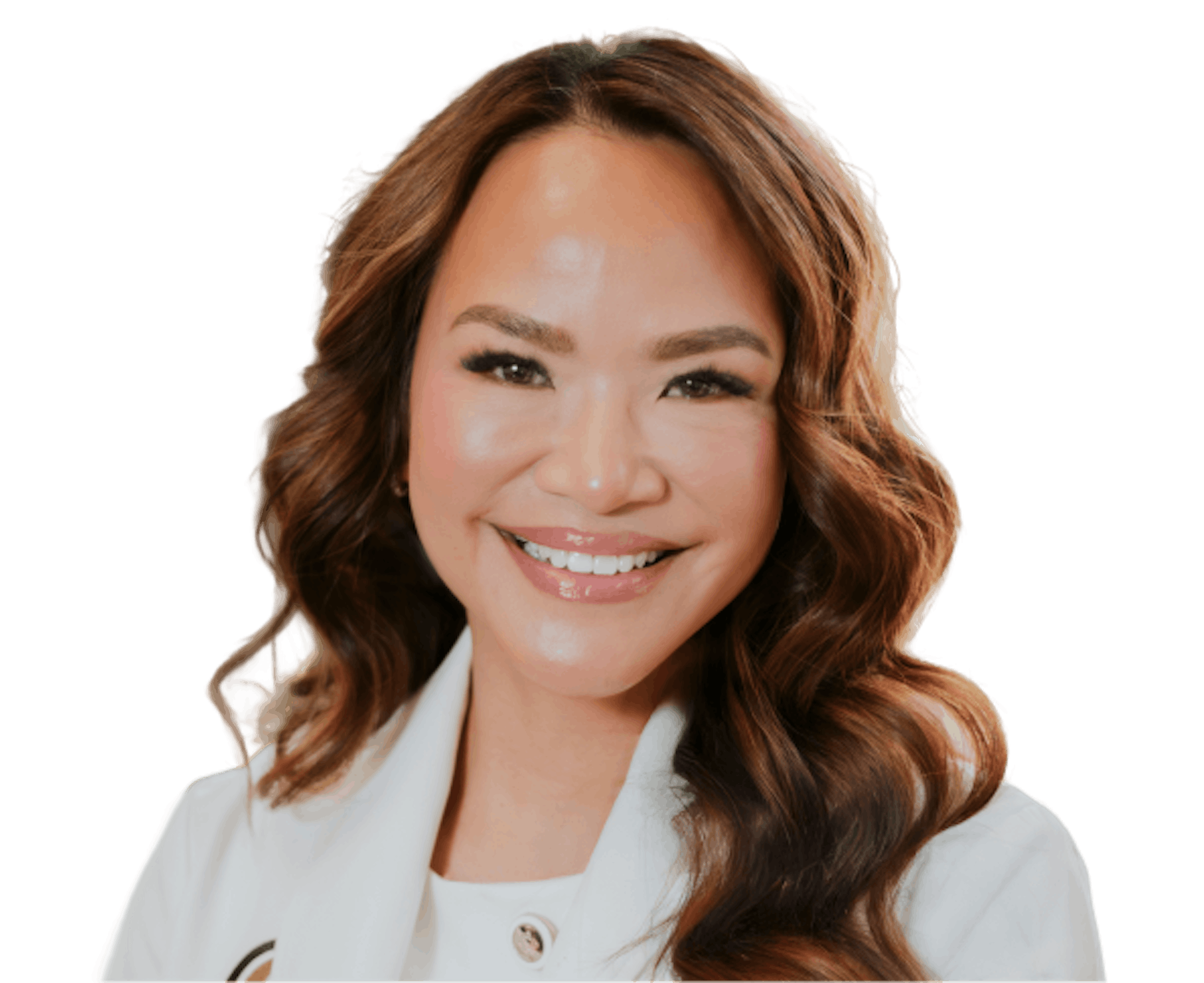
How Is Menopause Diagnosed?
A healthcare provider typically assesses menopause based on symptoms and menstrual history. If a person hasn’t had a period for 12 consecutive months and is experiencing characteristic symptoms, menopause is usually diagnosed clinically. In some cases, hormone blood tests (such as follicle-stimulating hormone or estradiol) may be used to clarify diagnosis, especially when symptoms happen earlier than typical age ranges or overlap with other conditions.
Menopause & Hair Changes: What to Expect
Many people notice changes in hair thickness and texture during menopause. Declining estrogen levels and relative androgen influence can lead to hair thinning or altered growth cycles. Addressing hair changes often means looking at systemic factors like hormone balance, nutrition, stress, and overall health, rather than focusing on the scalp alone.
Supplements, lifestyle adjustments, stress management, and evidence-based treatments can all play a role in supporting healthier hair during and after menopause.

When to See a Davis Dematology for Menopause
If menopause symptoms are persistent, impact quality of life, or arise earlier than expected, it’s wise to consult a medical professional. Early evaluation can help rule out other conditions, clarify diagnosis, and personalize a care plan that respects your unique health needs.

Menopause FAQs
At what age does menopause typically occur?
Most individuals enter menopause between 45 and 55, but timing varies widely.
Are menopause symptoms permanent?
Many symptoms lessen over time, but some may persist into postmenopause. Supportive care can reduce symptom burden.
Can menopause affect sleep and mood?
Yes — hormonal changes can influence neurotransmitters and circadian rhythms, contributing to sleep and emotional changes.